Understanding the Xianfeng Yuanbao Su Bureau Coin
In the realm of Qing Dynasty coin collecting, the Xianfeng Yuanbao Su Bureau coin is often regarded as a pinnacle collectible, known for its historical significance and market value. Whether you are an experienced collector or a newcomer, you are likely to have encountered this coin. Unlike ordinary circulating coins, it serves as a tangible relic of the tumultuous late Qing era and is recognized as a “hard currency” in the collecting community. High-quality versions can fetch hundreds of thousands, while even ordinary circulating coins can easily sell for several thousand.
However, many collectors face a common dilemma: the multitude of varieties of the Su Bureau coin, such as “Su Bai Wu Hu,” “Er Bao Guan Bao,” and “Gou Xian Zhi Xian,” can be overwhelming. Additionally, market prices vary widely, leading to situations where some spend tens of thousands on ordinary versions while others miss out on high-value pieces or inadvertently purchase counterfeits.
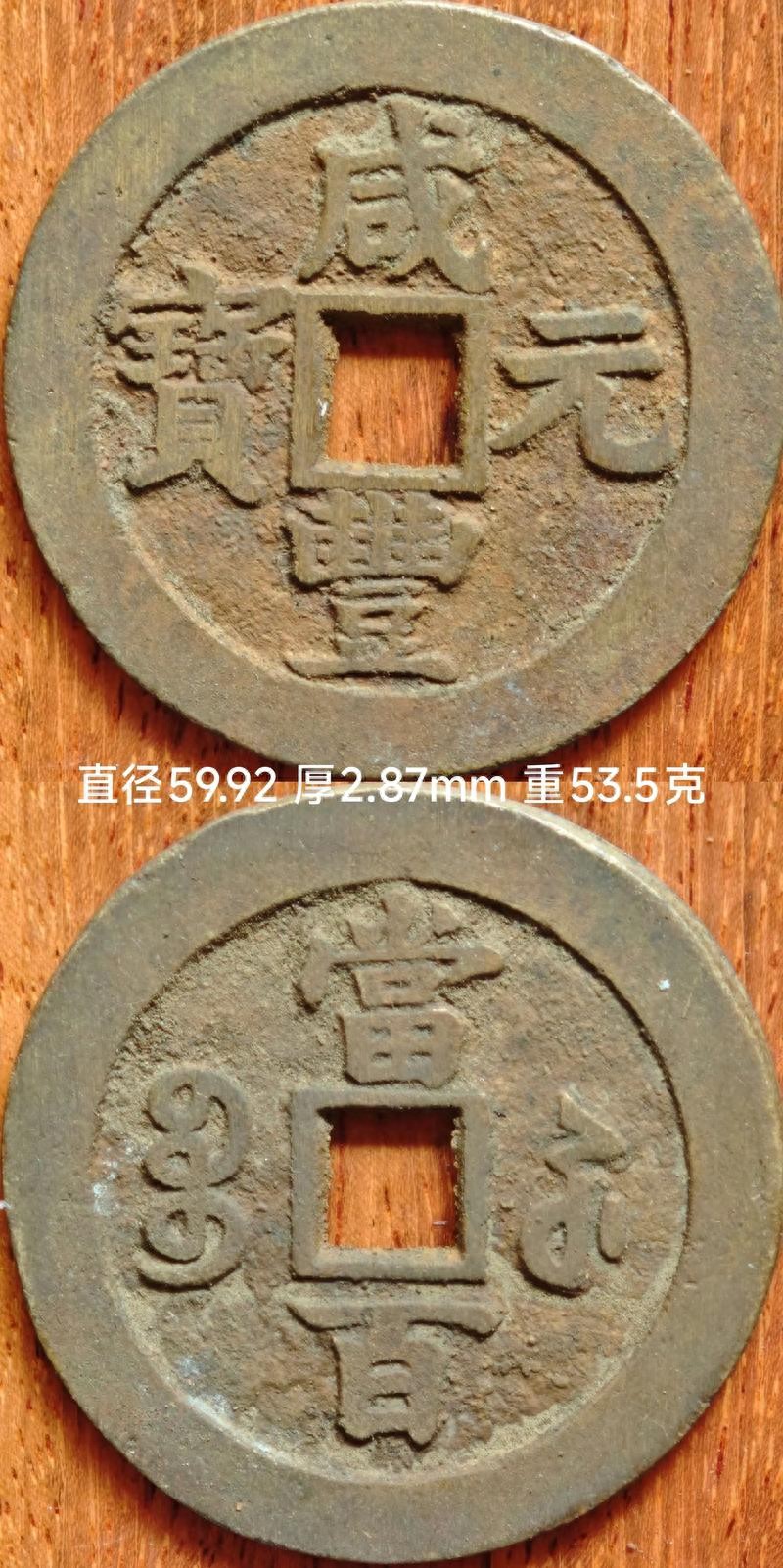
Today, I will provide a comprehensive guide from a collector’s perspective, focusing on the varieties, values, and identification techniques of the Xianfeng Yuanbao Su Bureau coin. In just three minutes, you will gain a solid understanding of this coin’s types and values, empowering you to navigate the world of Su Bureau coin collecting with confidence.
Historical Context: A Coin Reflecting the Turmoil of Late Qing
To understand the Xianfeng Yuanbao Su Bureau coin, we must first explore its origins. It was not a commemorative coin from a prosperous era but rather an emergency issue born out of the chaos of the late Qing Dynasty, each coin bearing the marks of fiscal collapse and currency disorder.
In the fourth year of Xianfeng (1854), the Qing Dynasty was far from its former glory. The Taiping Rebellion was sweeping through southern China, while foreign powers loomed menacingly. The imperial court was in a severe financial crisis, especially after the Taiping forces established their capital in Tianjing (modern Nanjing), cutting off tax revenues from the region and leading to skyrocketing military expenditures.
To fund military operations against the Taiping forces, the Qing court had to break with tradition and order the minting of “large coins”—coins with a face value far exceeding their actual worth. The central mints, including the Ministry of Revenue’s Baoquan Bureau and the Ministry of Industry’s Baoyuan Bureau, were the first to respond, followed by local mints across the country.
The Bao Su Bureau, located in Jiangsu, became one of the first local mints to produce Xianfeng large coins. The Su Bureau minted coins with face values of ten, fifty, and one hundred, with the one hundred denomination being the highest. It is important to note that the Su Bureau never minted coins with face values of five hundred or one thousand; any claims of such are counterfeit.
However, the flaws of these “overvalued coins” quickly became apparent. By the fifth year of Xianfeng (1855), after only a year of minting, the coins rapidly depreciated due to their inflated face values and insufficient copper content. The public refused to use them, leading to market chaos. The Qing court had no choice but to halt the minting of coins with face values of one hundred and above, effectively ending the production of the Su Bureau one hundred coins.
Due to their short minting period (approximately one year) and limited production, along with the ravages of war and time, few Su Bureau one hundred coins have survived intact, especially high-quality versions, making them a classic and highly sought-after collectible in the Qing coin collecting community.
In addition to their historical value, the minting craftsmanship of the Su Bureau one hundred coins is noteworthy. Originating from the economically prosperous Jiangnan region, the coins exhibit a unique blend of local artistry, featuring neat inscriptions and a warm copper hue, embodying the essence of Jiangnan’s economic and minting traditions.
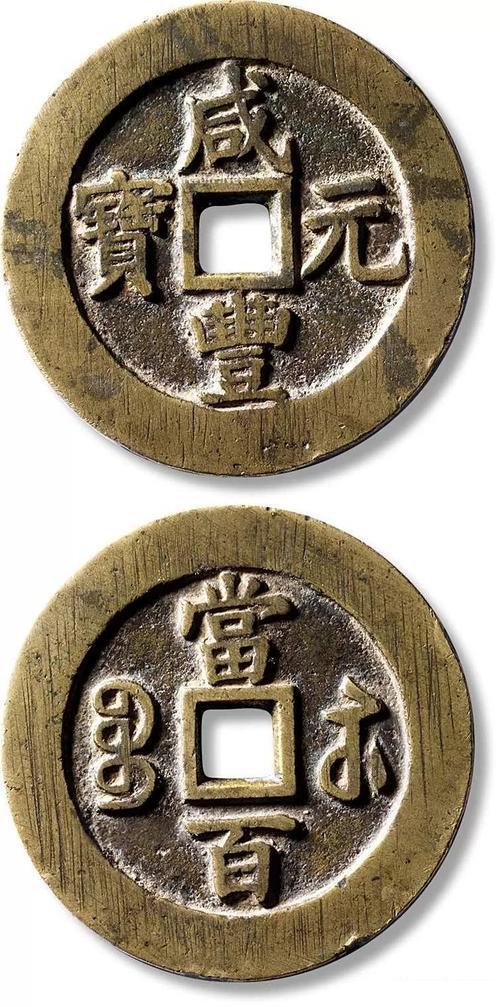
I would like to share a personal anecdote: the Gou Xian Su Bai coin in my collection was gifted to me by a comrade who found it while “shoveling the ground” (a term in the collecting community for acquiring old items from the public). This coin measures 60.8mm in diameter, 3.3mm thick, and weighs 64.2g. Although its condition does not fully meet my high standards due to minor wear and oxidation, the bond of camaraderie it represents makes it a treasured piece in my collection.
Having explored its historical background, let us now delve into the core content that collectors are most interested in—the detailed classifications of the Su Bureau one hundred coins, particularly the five renowned variants known as the “Su Bai Wu Hu,” each with unique characteristics and varying values that new collectors must recognize to avoid costly mistakes.
Core Explanation: Comprehensive Guide to Su Bureau One Hundred Variants
While the variants of the Su Bureau one hundred coins are numerous, they can be categorized into two main types: the renowned variants, known as the “Su Bai Wu Hu,” which are rare and exquisitely crafted, and the ordinary sub-variants, which primarily differ in inscriptions, dimensions, and edges, possessing relatively lower value but still some collectible potential.
First, let’s clarify some basic information: the Su Bureau one hundred coins are primarily made of yellow brass, with a small number made of red copper. Among them, the thick yellow brass versions are particularly rare and valuable. Additionally, the typical dimensions of the Su Bureau one hundred coins range from 57 to 62mm in diameter, weighing between 40 to 65g; any coins outside this range are either rare large samples or counterfeits, which new collectors should be cautious of.
1. Renowned Variants: “Su Bai Wu Hu,” the Hard Currency of Collecting
The term “Su Bai Wu Hu” refers to the five most precious renowned variants of the Su Bureau one hundred coins, which are scarce and finely crafted. Each variant has distinct characteristics and commands prices far exceeding those of ordinary versions, making them highly sought after by experienced collectors. New collectors must familiarize themselves with their features to avoid missing out or making mistakes.
-
Regulatory Version (Ministry Issued): “The Leader of the Five Tigers”
- The regulatory version, also known as the ministry-issued version, is the most standardized variant of the Su Bureau one hundred coins and is considered the leader of the “Su Bai Wu Hu” due to its adherence to the standards set by the central Ministry of Revenue. The inscriptions, dimensions, and weights strictly follow these regulations.
- Its core characteristics are very clear: the inscriptions use a combination of regular and clerical script, with neat strokes and a dignified appearance. The spacing between characters is uniform, and the words “Xianfeng Yuanbao” are bold and powerful, while “Bao Su Bureau” is clearly legible, with the Manchu script also written in a standardized manner.
- The dimensions and weight are also defined: approximately 60.8mm in diameter and about 56g in weight, this early heavy version has a high copper content, a warm and lustrous surface, and a substantial feel without any signs of cost-cutting. Furthermore, the hole (the square hole in the center of the coin) is finely crafted, with edges that are smooth and free of burrs or flaws, showcasing the pinnacle of the Su Bureau’s minting craftsmanship.
- Due to its early production and substantial weight, the regulatory version is extremely rare, especially in well-preserved, uncirculated condition, making it the most coveted variant among collectors and commanding the highest value.
-
Broken Stroke Xian: “Easily Identifiable”
- The Broken Stroke Xian is the easiest variant to recognize among the “Su Bai Wu Hu” due to its distinctive feature: the character “Xian” has a broken stroke in the middle. This makes it easily identifiable, even for new collectors.
- Specifically, the character “Xian” on ordinary Su Bureau one hundred coins is intact, while the Broken Stroke Xian has a noticeable break in the middle, as if it has been deliberately “cut off,” making it very prominent. Additionally, the overall inscriptions are bolder, the strokes are strong, and the surface is smooth, with fine minting craftsmanship.
- Its dimensions are relatively larger, ranging from 60 to 62mm in diameter and weighing approximately 50 to 55g, classifying it as a large sample. The slight error in the minting mold that caused the broken stroke is quite rare, making its survival rate lower than that of the regulatory version, and it is a scarce variant with high collectible value.
- A warning for new collectors: many fakes of the Broken Stroke Xian exist, often featuring artificially created breaks that appear crude and lack the natural minting characteristics. Careful identification is essential to avoid being deceived.
-
Da Man Bao: Full Manchu Characters, Exquisite Craftsmanship
- The Da Man Bao is another distinctive variant among the “Su Bai Wu Hu,” characterized not by the Chinese characters but by the Manchu script—its “Bao” character is broad and full, with strokes that are more expansive than those on ordinary versions, making it easily distinguishable.
- In addition to the distinctive Manchu characters, the hole of the Da Man Bao is also notable, featuring a finely crafted hole with smooth edges and no burrs, often revealing clear signs of refinement. This is a key difference from ordinary versions. The inscriptions are well-written, with the characters “Yuan” and “Bao” appearing relatively bold, and the surface exhibits a warm luster with excellent copper quality, marking it as a high-quality early minting.
- Its dimensions and weight are similar to those of the regulatory version, approximately 60 to 61mm in diameter and weighing around 54 to 56g. Its survival rate is also relatively low, especially for versions with clear Manchu characters and well-crafted holes, making it highly collectible, second only to the regulatory version in value.
-
Da Er Yuan: Distinctive “Yuan” Character, Early Heavy Version
- The name Da Er Yuan comes from its distinctive “Yuan” character, which features two bold horizontal strokes that are much thicker than those on ordinary versions, making it easily recognizable.
- Its core characteristics include: the two horizontal strokes of the “Yuan” character being thick and full, with even spacing, while the bottom stroke is relatively thin, creating a striking contrast; the overall inscriptions are rounded, with smooth strokes and no harshness; the coin is heavy, representing an early minting with high copper content, giving it a substantial feel.
- The dimensions of the Da Er Yuan are slightly smaller, ranging from 57 to 58mm in diameter and weighing approximately 52 to 55g. Although its size is not large, being an early heavy version, it is rare, and its exquisite craftsmanship adds to its collectible value. Especially large samples of the Da Er Yuan (with diameters reaching 62mm) are extremely rare and command sky-high prices.
-
Xing Kai Version: Flowing Script, Unique Characteristics
- The Xing Kai Version is the most artistically appealing variant among the “Su Bai Wu Hu,” characterized by its use of flowing script for the inscriptions, which are elegant and free-flowing, distinctly different from the regular script used in the other four variants, making it highly valued for its artistic merit.
- Specifically, the four characters “Xianfeng Yuanbao” feature flowing strokes with clear penmanship, lacking the rigid structure of other variants, adding a sense of liveliness and grace; the three characters “Bao Su Bureau” are also written in flowing script, making them highly recognizable. Additionally, the surfaces of Xing Kai versions often exhibit slight oxidation, presenting a warm patina that enhances their vintage appeal.
- Another notable feature is that they are often found in the Su Bei region (a term in the collecting community referring to coins unearthed in northern Jiangsu), where the drier soil conditions typically yield well-preserved Xing Kai versions with natural patina. Their dimensions are approximately 60 to 61mm in diameter and weigh around 53 to 55g, with a low survival rate, especially for those with clear strokes and well-preserved conditions, making them highly valuable as “calligraphic treasures” among collectors.
The above provides a detailed introduction to the “Su Bai Wu Hu.” Collectors can use these characteristics to identify whether their Su Bureau one hundred coins are renowned variants. It is essential to note that while the “Su Bai Wu Hu” are precious, not all of them are equally valuable; factors such as condition, dimensions, and detailed classifications will affect their value, which we will discuss further.
2. Ordinary Sub-Variants: Details Determine Value, Essential for New Collectors
In addition to the five renowned variants, the Su Bureau one hundred coins include many ordinary sub-variants. While these are not rare, the differences in details can lead to significant value discrepancies. New collectors must familiarize themselves with these sub-variants to avoid selling high-value coins as ordinary ones and vice versa.
-
Er Bao vs. Guan Bao: Differences in the Character “Bao”
- This is the most common sub-variant of the Su Bureau one hundred coins, primarily differing in the writing of the character “Bao,” which can be either “Er Bao” or “Guan Bao,” making it easy for new collectors to confuse.
- Er Bao: The bottom of the “Bao” character features the “Er” structure, with relatively thin strokes. This variant is less common and holds slightly higher value than Guan Bao.
- Guan Bao: The bottom of the “Bao” character features the “Guan” structure, with thicker strokes. This variant is more common and holds relatively lower value.
- The identification method is straightforward: if the bottom of the “Bao” character is “Er,” it is Er Bao; if it is “Guan,” it is Guan Bao. New collectors must remember this distinction to avoid selling Er Bao as Guan Bao and losing out on the price difference.
-
Gou Xian vs. Zhi Xian: Differences in the Last Stroke of “Xian”
- This sub-variant primarily differs in the last stroke of the character “Xian,” which can be either “Gou Xian” or “Zhi Xian,” a detail that new collectors may overlook.
- Gou Xian: The last stroke of “Xian” is upward-curving, forming a distinct “hook.” This variant is relatively rare, especially among the renowned variants, and holds higher value. The coin I possess is a Gou Xian version, and collectors can compare their coins to see if they have this variant.
- Zhi Xian: The last stroke is straight, without the upward hook, making it an ordinary version with a higher survival rate and lower value.
- A reminder: Gou Xian and Broken Stroke Xian are two different variants; do not confuse them—Gou Xian has a hooked last stroke, while Broken Stroke Xian has a break in the middle of the character. Their characteristics are entirely different, and new collectors must distinguish them clearly.
-
Wide Edge vs. Narrow Edge, Large Characters/Small Characters, Large Samples/Small Samples: Differences in Size and Inscriptions
- These sub-variants primarily differ in size and inscriptions, and although they may seem minor, they significantly impact value, especially large and small samples, which can vary in value by several times.
- Wide Edge vs. Narrow Edge: A wide edge indicates a broader edge with smaller inscriptions, while a narrow edge has a thinner edge with larger inscriptions. The wide edge version is relatively rare and holds slightly higher value.
- Large Characters/Small Characters: Large character versions feature larger, bolder inscriptions with narrower spacing, while small character versions have smaller, thinner inscriptions with wider spacing. Large character versions are relatively rare and hold higher value.
- Large Samples/Small Samples: This is one of the most significant factors affecting value. Large samples exceed the ordinary standards for dimensions and weight, while small samples fall below these standards. For example, ordinary Su Bureau one hundred coins measure 57-60mm in diameter, while large samples measure over 60mm, and small samples measure under 57mm.
- It is crucial to note that large samples are worth significantly more than ordinary and small samples, especially large and super-large samples of the “Su Bai Wu Hu,” which can command sky-high prices. In contrast, small samples may be worth less than ordinary circulating coins, so new collectors must be cautious not to misclassify large samples as ordinary versions.
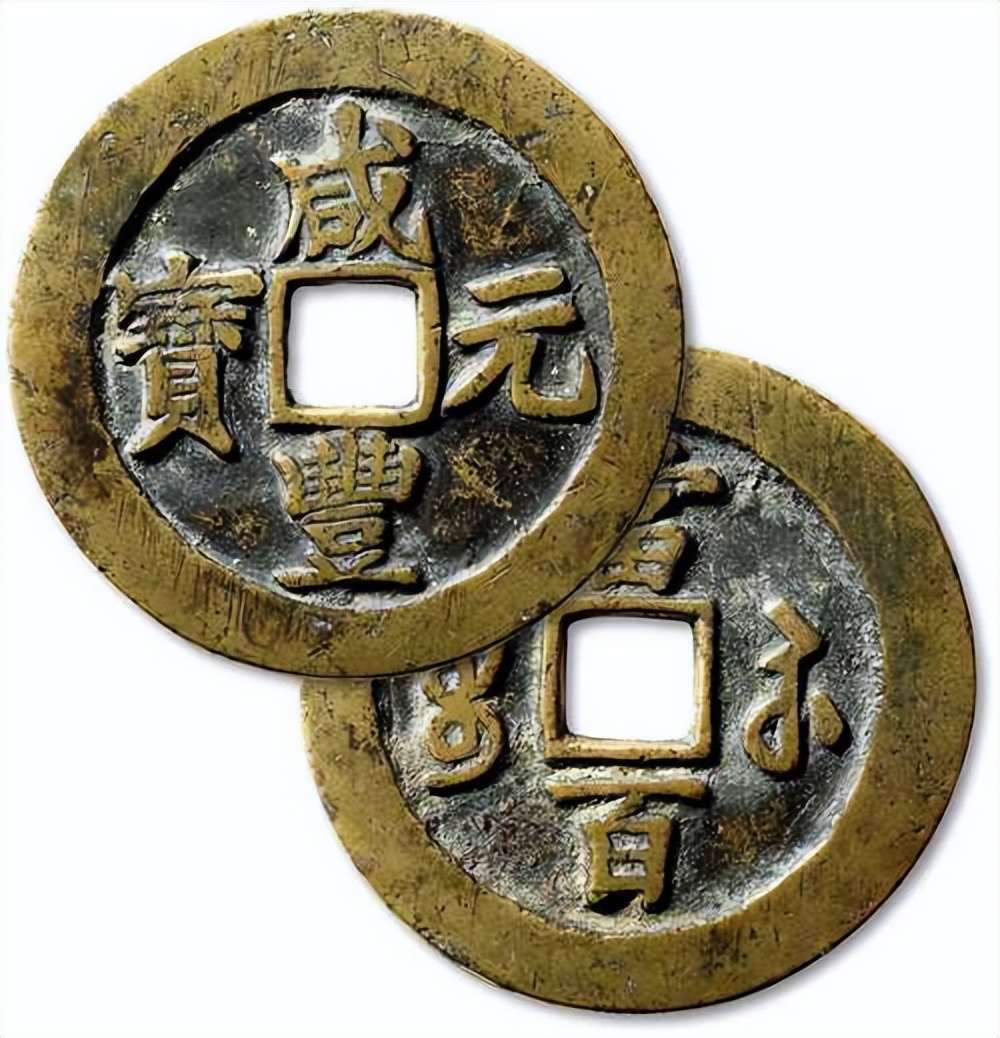
- Piao Xian vs. Gou Xian in the “Five Tigers”: Further Subdivision of Renowned Coins
- In addition to the ordinary sub-variants, the “Su Bai Wu Hu” themselves also have subdivisions, such as Piao Xian and Gou Xian—some renowned variants (like the regulatory version and Da Man Bao) can be further divided into Piao Xian and Gou Xian. In this case, the Piao Xian version has a last stroke that is a downward stroke, while the Gou Xian version has a hooked last stroke.
- These subdivided variants are even rarer than the ordinary “Five Tigers” and hold higher value. For instance, the Gou Xian version of the regulatory version is valued 20%-30% higher than the ordinary regulatory version, making it a sought-after “gem” among seasoned collectors. New collectors should cherish such finds.
Having covered all the variants, let us now address the question that many collectors are eager to know—the latest market prices for the Su Bureau one hundred coins in 2026. Different variants and conditions lead to significant price differences, and new collectors should reference these to avoid overpaying or selling at a loss.
Latest Prices in 2026: Value Rankings of Su Bureau One Hundred Coins
In the collecting community, there is an old saying: “Condition is king, and variant is soul.” The value of the Su Bureau one hundred coins primarily depends on two core factors: the variant and the condition, followed by dimensions and patina. The following prices reflect the latest market reference as of April 2026, based on ungraded coins in excellent condition (graded coins typically sell for 20%-50% higher) and are for reference only, as actual prices may fluctuate based on market demand and condition details.
First, let’s clarify the grading of conditions so that new collectors can assess the condition of their coins and estimate their value:
-
Excellent Condition: The coin surface is clean, with no wear, scratches, or oxidation. The original luster is full, inscriptions are clear, and the hole is well-formed, preserving its original state, commanding the highest value.
-
Good Condition: The coin surface shows slight oxidation and wear, with no obvious scratches or defects. The inscriptions are generally clear, and the hole is intact, holding relatively high value.
-
Average Condition: The coin surface exhibits some oxidation and wear, with minor scratches. The inscriptions may be slightly blurred, but there are no significant defects, holding average value.
-
Poor Condition (Circulating Coins): The coin surface has noticeable oxidation and wear, with several scratches. The inscriptions are somewhat blurred, and there are no significant defects, holding lower value.
-
Inferior Condition: The coin surface is severely oxidized and worn, with obvious scratches and defects. The inscriptions are unclear, and it may even have holes or deformities, holding virtually no collectible value and only suitable for handling as an ordinary old item.
1. Prices for Ordinary Su Bureau One Hundred Coins (Non-“Five Tigers”)
Ordinary Su Bureau one hundred coins primarily include Guan Bao, Zhi Xian, narrow edge, small character, and small sample variants, which are relatively common and hold lower value, making them suitable for new collectors.
- Excellent Condition/Graded 85 and Above: 8,000 - 15,000 CNY per coin;
- Good Condition: 5,000 - 8,000 CNY per coin;
- Average Condition: 3,000 - 5,000 CNY per coin;
- Poor Condition (Circulating Coins): 3,000 - 6,000 CNY per coin;
- Er Bao, Gou Xian, Wide Edge, Large Character, etc.: These relatively rare ordinary sub-variants are priced 20%-50% higher than ordinary Guan Bao and Zhi Xian versions; for instance, an Er Bao in excellent condition is priced around 10,000 - 18,000 CNY per coin.
2. Prices for “Su Bai Wu Hu” (Renowned Versions) in Excellent Condition/Graded 85 and Above
The “Su Bai Wu Hu” represents the core collectible variants of the Su Bureau one hundred coins, with limited availability and values far exceeding those of ordinary versions. Prices vary significantly based on sub-variants and dimensions:
-
Regulatory Version (Ministry Issued):
- Ordinary Large Sample (Diameter 58-59mm): 50,000 CNY or more per coin;
- Standard Size (Approximately 60.8mm in Diameter): 30,000 CNY or more per coin;
- Gou Xian/Piao Xian Sub-Variants: 40,000 - 60,000 CNY per coin;
- Uncirculated Excellent Condition: 80,000 CNY or more per coin.
-
Broken Stroke Xian:
- Ordinary Size (Diameter 60-62mm): 20,000 CNY or more per coin;
- Excellent Condition with Clear Break: 30,000 - 40,000 CNY per coin;
- Super Large Sample (Diameter Over 63mm): 100,000 CNY or more (extremely rare).
-
Da Man Bao:
- Standard Size (Diameter 60-61mm): 25,000 CNY or more per coin;
- Finely Crafted Hole with Clear Manchu Characters: 30,000 - 35,000 CNY per coin;
- Gou Xian Sub-Variant: 35,000 - 50,000 CNY per coin.
-
Da Er Yuan:
- Ordinary Size (Diameter 57-58mm): 20,000 CNY or more per coin;
- Early Heavy Version (Weight Over 55g): 25,000 - 30,000 CNY per coin;
- Super Large Sample (Diameter 62mm): 200,000 CNY or more (top quality, extremely rare).
-
Xing Kai Version:
- Ordinary Size (Diameter 60-61mm): 40,000 CNY or more per coin;
- Clear Strokes and Natural Patina: 50,000 - 60,000 CNY per coin;
- Super Large Sample (Diameter 62mm): 180,000 CNY or more (rare treasures).
3. Prices for Sample Coins and Mother Coins (Collectible Gems)
In addition to ordinary and renowned variants, the sample coins and mother coins of the Su Bureau one hundred are considered “gems” in the collecting community, with extremely limited availability and the highest values. Sample coins are used for approval before minting and are exquisitely crafted, while mother coins are the molds used for minting, featuring excellent copper quality and clear inscriptions, representing the pinnacle of coin collecting.
According to the latest auction trends in 2026, the prices for Su Bureau one hundred sample coins start at 300,000 CNY or more per coin, while mother coins start at 500,000 CNY or more. Especially those in excellent condition with clear provenance can even exceed one million in auction prices, making them the ultimate goal for seasoned collectors.
Here are a few real auction cases to give you a clearer understanding of the value of Su Bureau one hundred coins:
- In December 2025, at an auction, a super large sample of the Xing Kai version (diameter 62.3mm, excellent condition) sold for 185,000 CNY;
- In March 2026, a super large sample of the Da Er Yuan (diameter 62.1mm, graded 88 points) reached an auction price of 210,000 CNY;
- In January 2026, a mother coin (excellent condition) sold for 520,000 CNY, setting a new auction high for Su Bureau one hundred coins in recent years.
At this point, many new collectors may feel tempted to acquire a Su Bureau one hundred coin, but the collecting community is fraught with pitfalls, including counterfeits, price manipulation, and misrepresented quality. New collectors are particularly vulnerable to these traps. Therefore, I will share some practical identification techniques and collection avoidance tips to help you navigate the world of collecting wisely and avoid unnecessary expenses.
Essential Tips for New Collectors: Identification Techniques and Avoiding Pitfalls
As the popularity of the Su Bureau one hundred coins grows, so does the prevalence of counterfeits, especially for the “Su Bai Wu Hu” variants, which can be highly convincing. Even seasoned collectors have fallen victim to fakes, let alone newcomers. Remembering the following identification techniques will help you easily distinguish between genuine and counterfeit coins, while following the avoidance tips will help you avoid overpaying or buying fakes.
1. Three Practical Identification Techniques: New Collectors Can Spot Fakes
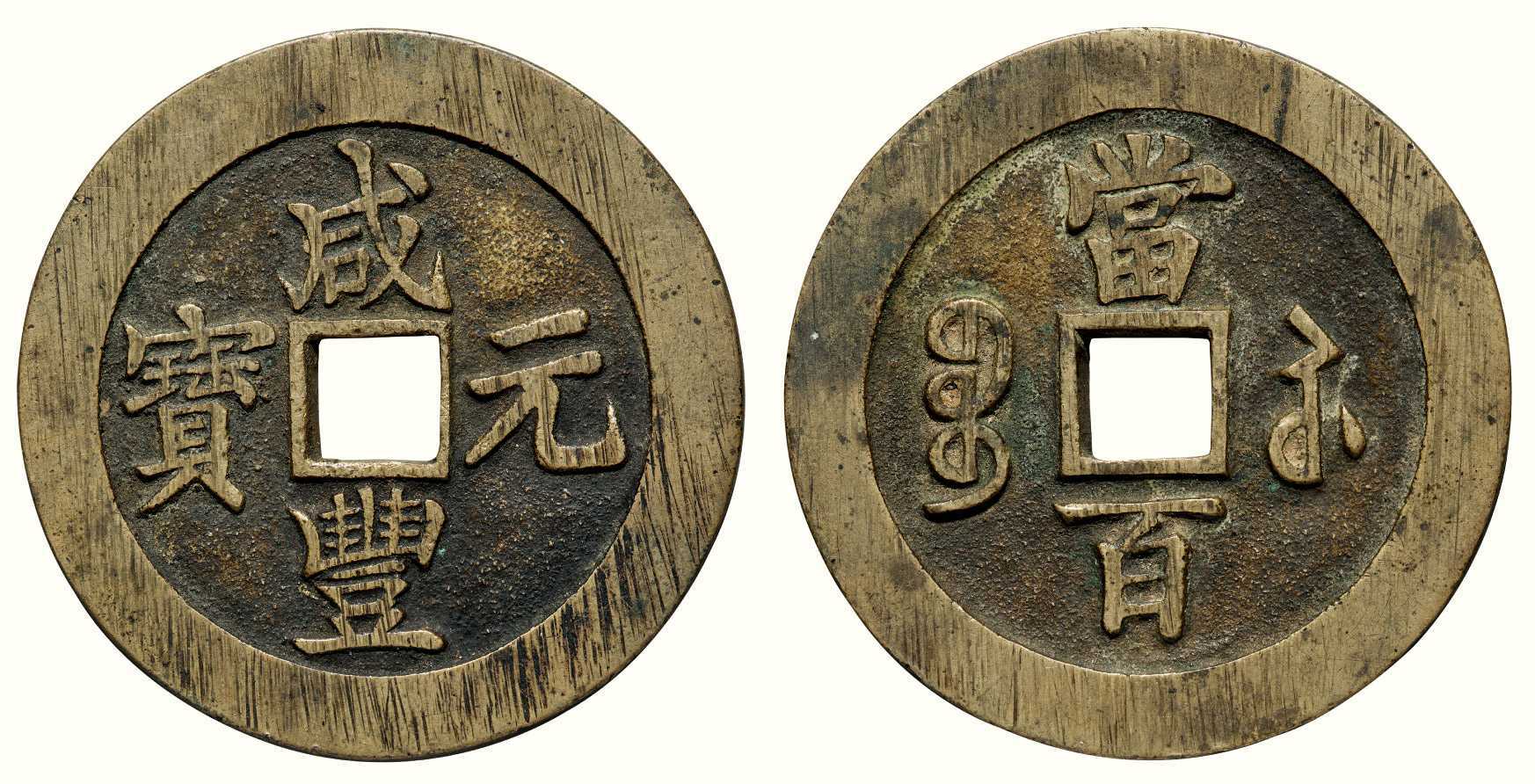
Most counterfeits of the Su Bureau one hundred coins are made using modern techniques. Although they may appear convincing, careful observation will reveal flaws. New collectors should remember these three points to easily identify genuine coins:
-
Check the Material: Genuine coins vs. Counterfeits—Feel and Luster are Worlds Apart
- Genuine Su Bureau one hundred coins are primarily made of yellow brass, with high copper content, giving them a heavy feel. They should not feel light or flimsy. The surface should exhibit a natural patina and a warm copper color without glaring shine, with an even patina that shows clear signs of age.
- Counterfeits are often made from aluminum alloy, ordinary brass, or other cheap metals with low copper content, leading to a lighter feel. The patina on counterfeits is usually artificially aged, either overly thick and rigid or too thin and uneven, with glaring shine and potential issues like fading or peeling.
- Additionally, genuine coins have a fine copper quality, feeling smooth to the touch without roughness or graininess, while counterfeits often feel rough, with visible burrs and graininess, making them uncomfortable to handle.
-
Examine the Craftsmanship: Genuine Coins are Exquisitely Crafted, Counterfeits are Crude
- The minting craftsmanship of Su Bureau one hundred coins reflects the exquisite style of Jiangnan. Genuine coins have clear inscriptions, smooth strokes, and no signs of smudging or blurriness. The Manchu script is well-written and neatly arranged, with flowing strokes. The hole is finely crafted, with smooth edges and no burrs or flaws.
- Counterfeits often exhibit poor craftsmanship, with blurred inscriptions, connected strokes, and even misspellings or missing strokes. The Manchu script appears sloppy, with jumbled arrangements and stiff strokes. The hole lacks fine craftsmanship, with visible burrs and flaws, and may even appear crooked or irregular.
- Especially for counterfeits of the “Su Bai Wu Hu,” while they may attempt to mimic the characteristics of renowned variants (like the broken stroke of the Broken Stroke Xian or the thick horizontal stroke of the Da Er Yuan), the imitations often appear crude. For example, the broken stroke of the Broken Stroke Xian is artificially created, appearing unnatural without the natural minting characteristics; the thick horizontal stroke of the Da Er Yuan lacks the fullness of genuine coins.
-
Check Dimensions and Weight: Genuine Coins Meet Standards, Counterfeits Often Do Not
- Genuine Su Bureau one hundred coins have defined dimensions and weights, typically ranging from 57 to 62mm in diameter and 40 to 65g in weight. Even large or small samples will not deviate too much from this range. Moreover, genuine coins of the same variant will have relatively uniform dimensions and weights, without significant discrepancies.
- Counterfeits often fall short of these standards, either being too large or too heavy (for instance, exceeding 65mm in diameter or 70g in weight) or too small or too light (for instance, measuring less than 55mm in diameter or weighing less than 35g). Additionally, batches of counterfeits often show significant variations in dimensions and weights, lacking a unified standard.
- New collectors can prepare a ruler and an electronic scale to measure their Su Bureau coins and compare them against genuine standards. For example, the Gou Xian version in my collection measures 60.8mm and weighs 64.2g, conforming to genuine standards. When combined with material and craftsmanship checks, this confirms its authenticity.
2. Four Collection Avoidance Tips: New Collectors Should Avoid Wasting Money
In addition to identification, new collectors of the Su Bureau one hundred coins should be mindful of the following four points to avoid being misled by inflated prices or poor quality, ensuring they do not waste money.
-
Don’t Be Lured by “Sky-High Prices”; Rationally Assess Collectible Value
- Many new collectors, seeing the “Su Bai Wu Hu” fetching hundreds of thousands, blindly follow the trend, believing that any Su Bureau one hundred coin will sell for high prices, even going so far as to pay inflated prices for ordinary versions, only to find they have been misled.
- Remember: The value of Su Bureau one hundred coins depends on the variant and condition. Even if an ordinary version is in excellent condition, it will not reach hundreds of thousands; only large samples or super-large samples of the “Su Bai Wu Hu,” as well as sample and mother coins, can achieve such prices. New collectors should avoid being swayed by “sky-high prices” and rationally assess collectible value based on their budget, choosing suitable varieties without blindly following high-priced acquisitions.
-
Prioritize Condition Over Variant
- The core logic of collecting is “condition is king.” Even among the “Su Bai Wu Hu,” if the condition is poor (for instance, with severe wear, oxidation, or defects), its value will significantly decrease. Conversely, even an ordinary Su Bureau coin in excellent condition (uncirculated) can hold high collectible value.
- New collectors should prioritize selecting coins in average condition or better for the best value; they should not acquire coins with poor conditions merely for the sake of pursuing “Five Tigers” variants, as such coins may lack collectible potential and be difficult to liquidate.
-
Choose Reputable Channels to Avoid Counterfeits
- New collectors should always choose reputable collecting channels, such as established auction houses, well-known collectible shops, or reliable collector exchange platforms. They should avoid roadside stalls, unknown online shops, or unqualified individuals, as these channels often have numerous counterfeits and are easy to fall victim to.
- Additionally, if new collectors are uncertain about the authenticity of their Su Bureau coins, they can seek professional grading institutions (such as Gongbo or Huaxia) for grading. Graded coins not only guarantee authenticity but also clarify condition levels, making future liquidation easier. Although grading incurs fees, it is worth it to avoid counterfeits.
-
Learn and Communicate More to Avoid Being Misled
- Collecting Qing coins is a learned skill, and the variants of the Su Bureau one hundred coins are complex. New collectors must engage in continuous learning and communication to truly understand them. Following professional collectible accounts, watching collectible videos, and reading books about collecting can help deepen understanding of the historical background, variant characteristics, and market trends of the Su Bureau one hundred coins. Joining collector groups to exchange experiences and seek advice on identification techniques can also help avoid being misled.
- When I first started collecting Su Bureau coins, I fell into many pitfalls. However, through continuous learning and interaction with fellow collectors, I gradually mastered identification techniques and collecting experiences. New collectors should not rush; learning and accumulating knowledge gradually will allow them to truly enjoy the art of collecting Su Bureau coins.
Maintenance Tips: Extending the Lifespan of Your Collection
The Su Bureau one hundred coins are made of yellow brass, which is prone to oxidation and corrosion. Proper maintenance can preserve their condition and enhance their collectible value. Conversely, improper care can severely affect their condition and reduce their value. New collectors can follow these five maintenance tips to extend the lifespan of their collections:
-
Avoid Touching: The surface of the Su Bureau one hundred coins has a natural patina that acts as a protective layer. Avoid direct contact with the coin surface, as sweat and oils from your hands can corrode the coin, leading to oxidation and corrosion. If handling is necessary, it is advisable to wear gloves.
-
Store Properly: The storage environment should be kept dry, ventilated, and cool, avoiding humidity, high temperatures, direct sunlight, and dust. Coins can be placed in sealed boxes with desiccants to prevent moisture oxidation; additionally, coins should be stored separately to prevent collisions and wear.
-
Never Clean: Many new collectors attempt to clean coins with oxidation marks, which is a mistake. Natural patina and oxidation marks are the “soul” of the coin, and cleaning will damage the condition and reduce collectible value. Even heavily oxidized coins should not be cleaned; simply keeping them dry and ventilated will prevent further oxidation.
-
Prevent Bumps: The Su Bureau one hundred coins are relatively soft and prone to wear and deformation. When handling or storing, be gentle to avoid bumps that could cause scratches, deformation, or damage.
-
Regularly Check: Periodically check your collection to observe any changes in condition. If signs of oxidation or corrosion are detected, adjust the storage environment promptly to prevent further damage. If any damage or deformation is observed, address the issue promptly to prevent it from worsening.
Conclusion: Collecting Su Bureau Coins is a Journey Through History and Sentiment
The Xianfeng Yuanbao Su Bureau coin is not just a coin; it is a tangible witness to the turmoil of the late Qing Dynasty, embodying the economic and minting artistry of Jiangnan. It carries the weight of a century of history and reflects collectors’ reverence for history and love for collecting.
Many collectors pursue Su Bureau coins not merely for investment returns but for their historical and artistic value—each coin tells a story of the late Qing era’s chaos and helplessness, while each inscription showcases the elegance and vibrancy of Jiangnan. It is like a “historical elder” quietly narrating the tales of a century ago.
The Gou Xian Su Bai coin in my collection, although not perfect in condition, carries profound camaraderie and witnesses my years of collecting. Each time I take it out to admire, I can feel its charm. For me, its value transcends monetary worth, becoming one of the most treasured pieces in my collecting journey.
Finally, I want to remind every collector: when collecting Su Bureau one hundred coins, do not focus solely on price; also appreciate their historical and artistic value. Avoid blindly following trends, and engage in rational and cautious collecting. Continuous learning and communication will help you navigate the pitfalls and truly enjoy the joy of collecting.
I hope this comprehensive 5,000-word guide helps every new collector understand the variants and values of the Su Bureau one hundred coins in just three minutes, mastering identification techniques and collecting methods to navigate the world of Su Bureau coin collecting without overspending or buying fakes.
Lastly, I want to ask everyone: Do you have a Su Bureau one hundred coin? Is it a “Su Bai Wu Hu” or an ordinary version? Have you encountered counterfeits or inflated prices? Feel free to share your experiences in the comments, and let’s exchange collecting insights to avoid pitfalls together!
Comments
Discussion is powered by Giscus (GitHub Discussions). Add
repo,repoID,category, andcategoryIDunder[params.comments.giscus]inhugo.tomlusing the values from the Giscus setup tool.