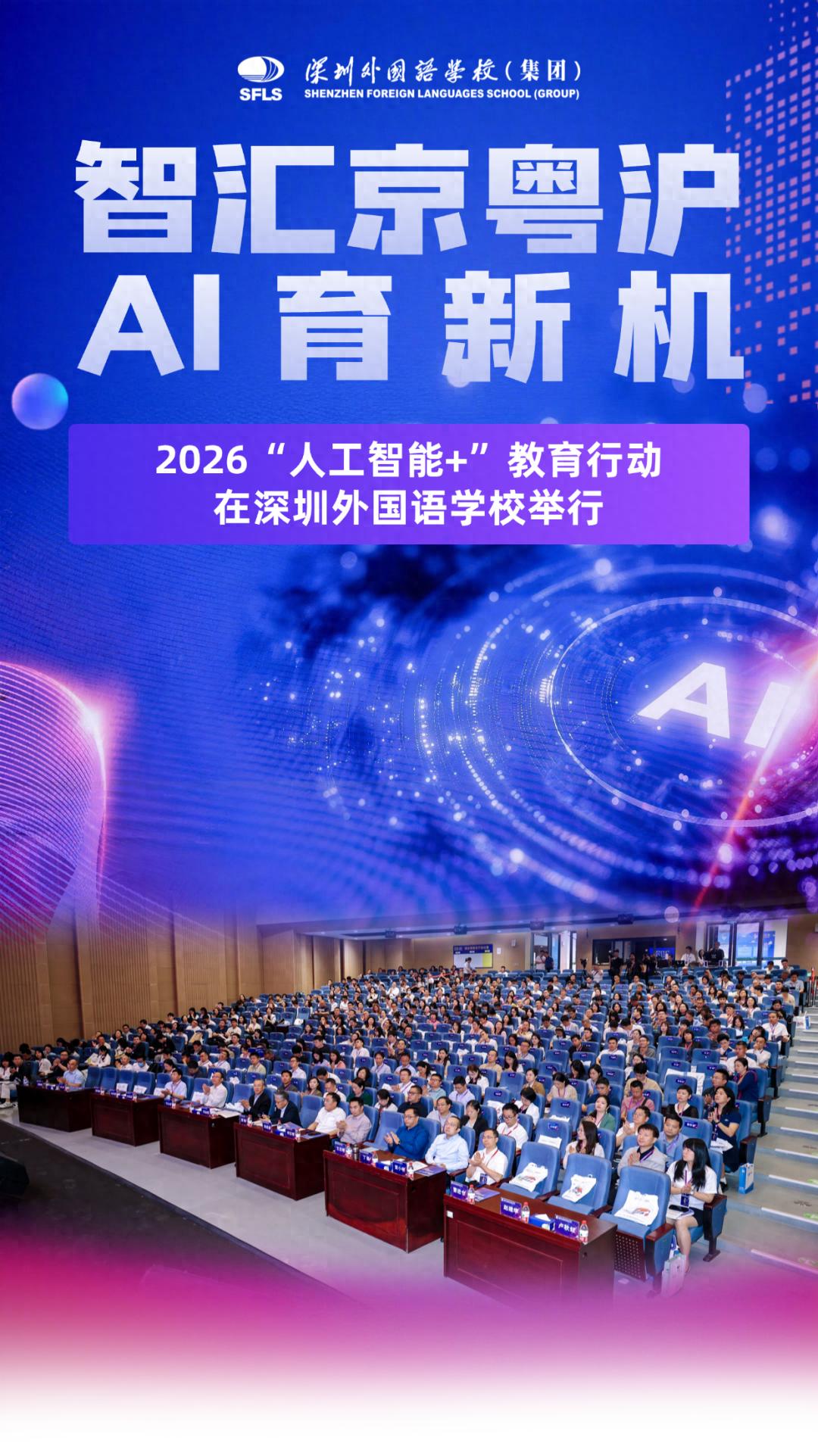
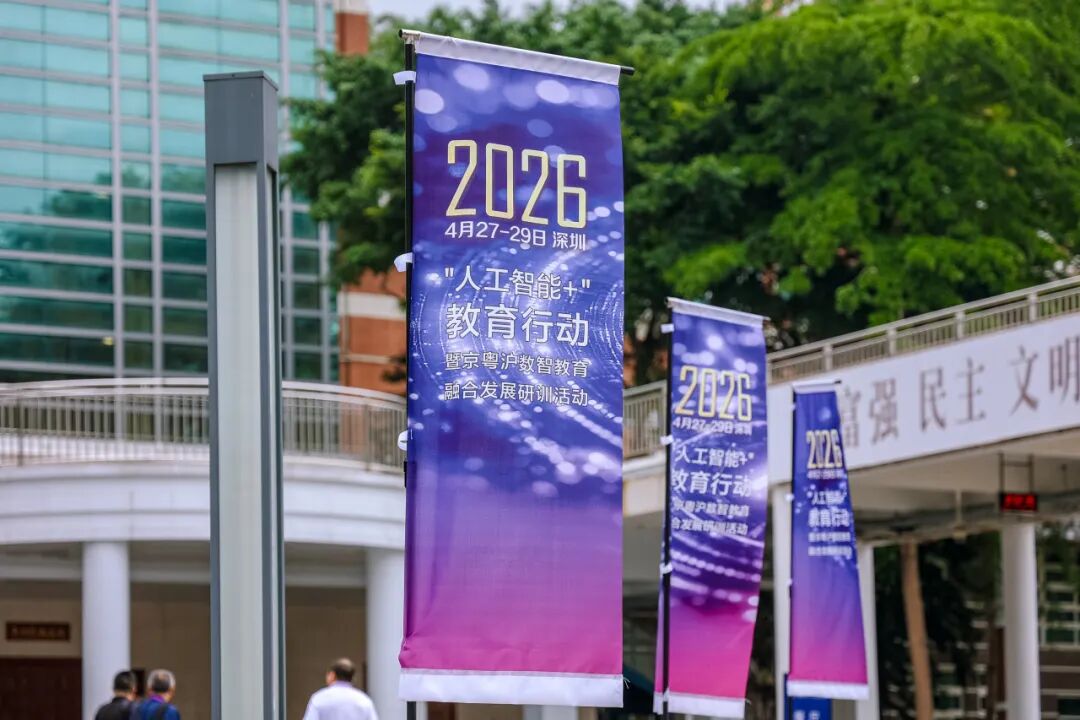
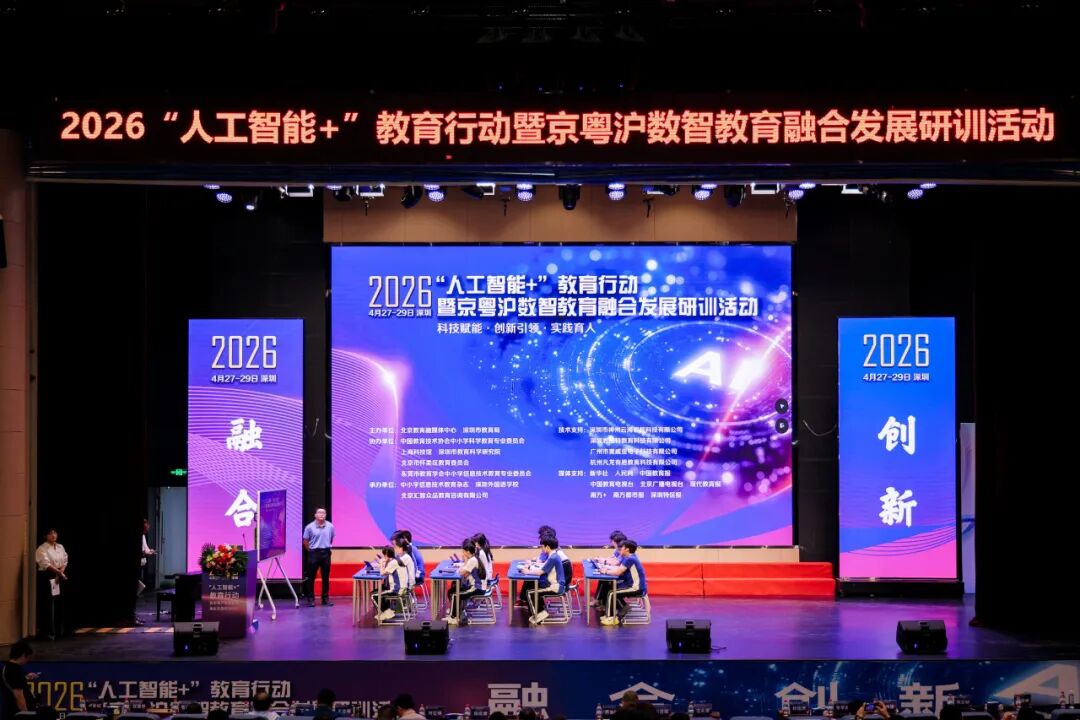
A deep dialogue on the future of education amidst the wave of artificial intelligence sparked brilliant ideas in the innovative city of Shenzhen. From April 27 to 29, the highly anticipated 2026 “AI+” Education Action and the Integration Development Training Activity of Digital Education in Beijing, Guangdong, and Shanghai took place at the Shenzhen Foreign Languages School (Group) High School.
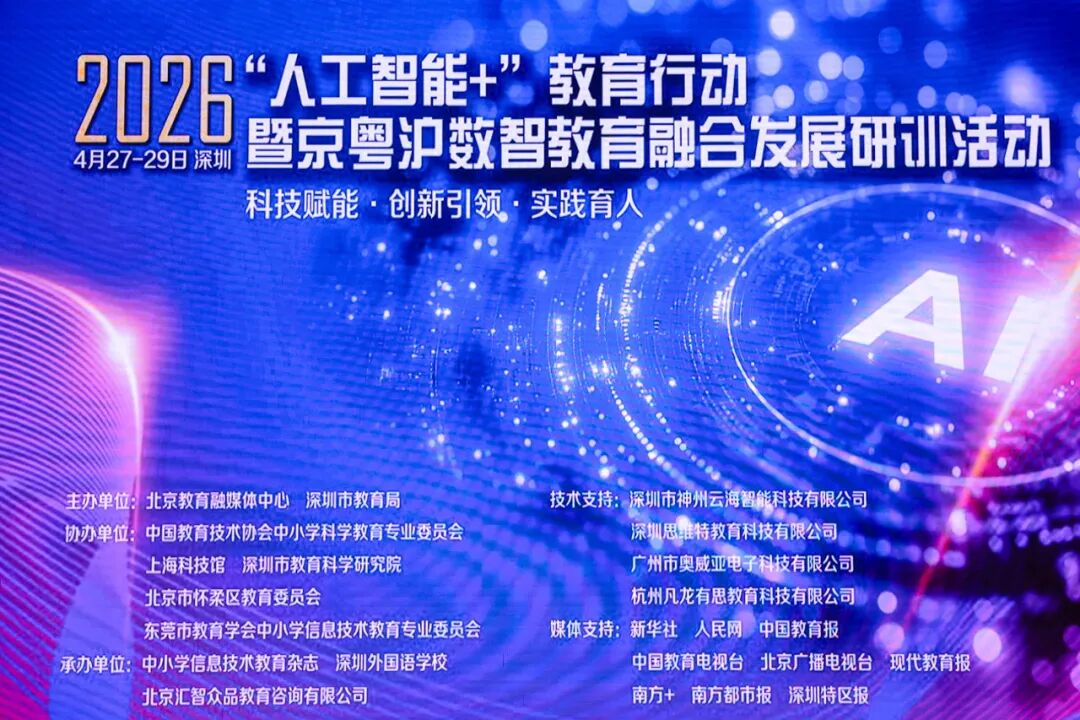
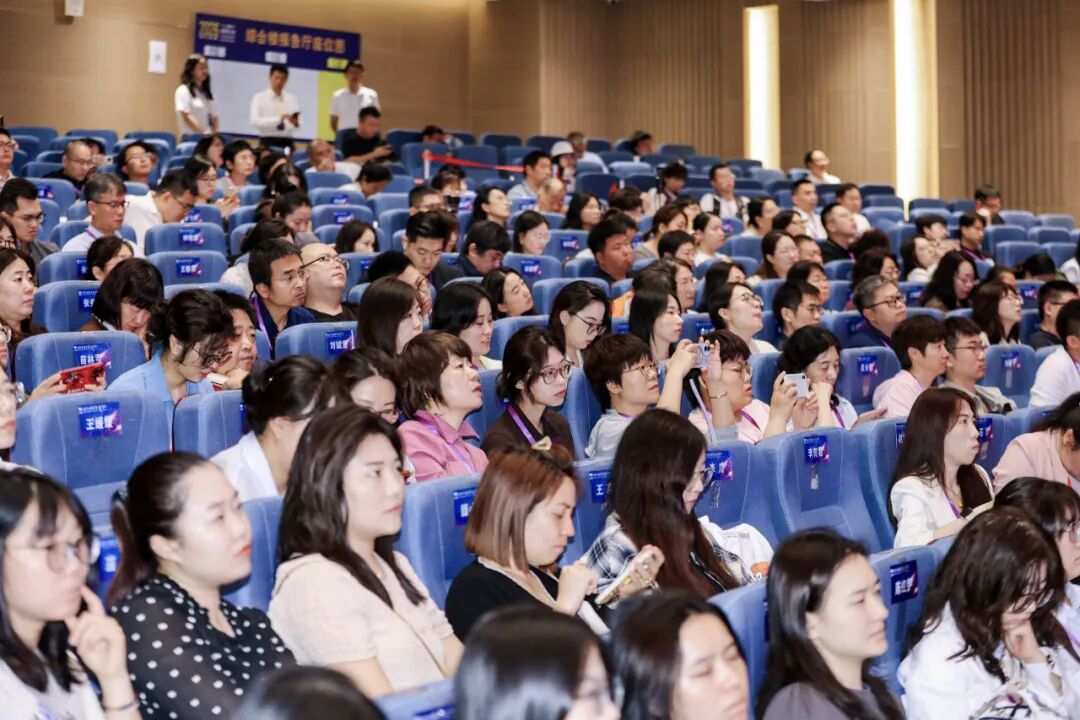
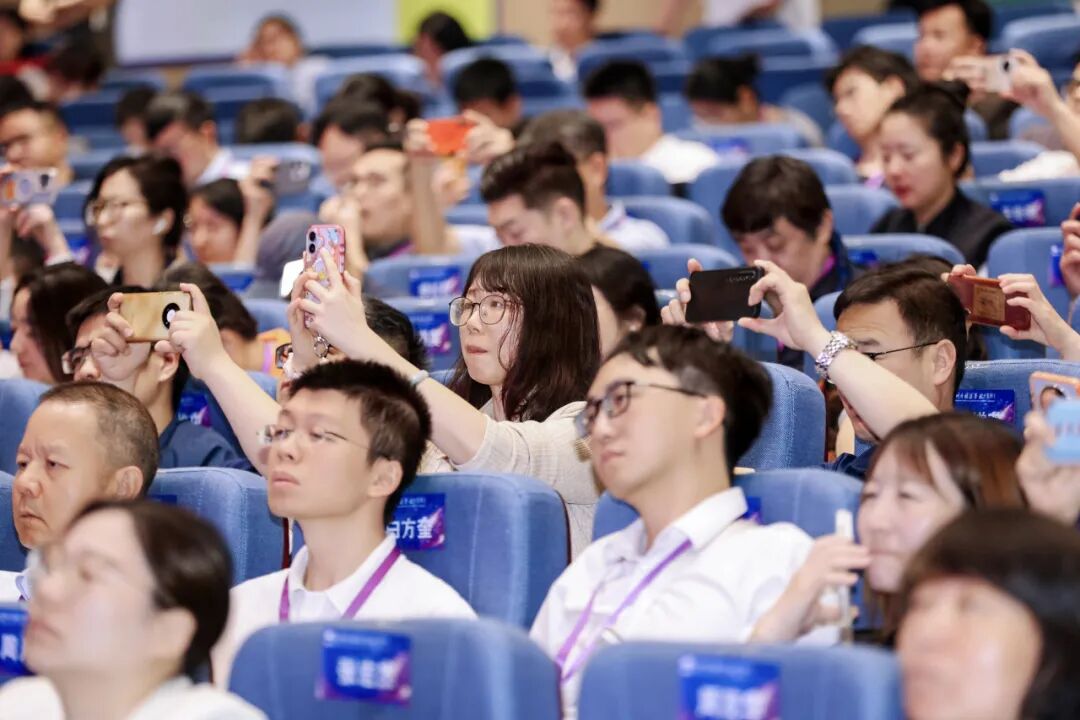
The event was hosted by the Beijing Education Media Center and the Shenzhen Education Bureau, with support from the China Educational Technology Association’s Primary and Secondary School Science Education Committee and the Shanghai Science and Technology Museum. Themed “Technology Empowers, Innovation Leads, Practical Education,” it gathered over 400 education administrators, research experts, frontline principals, key teachers, and representatives from technology companies from more than ten provinces, exploring innovative paths for high-quality development in basic education in the AI era.
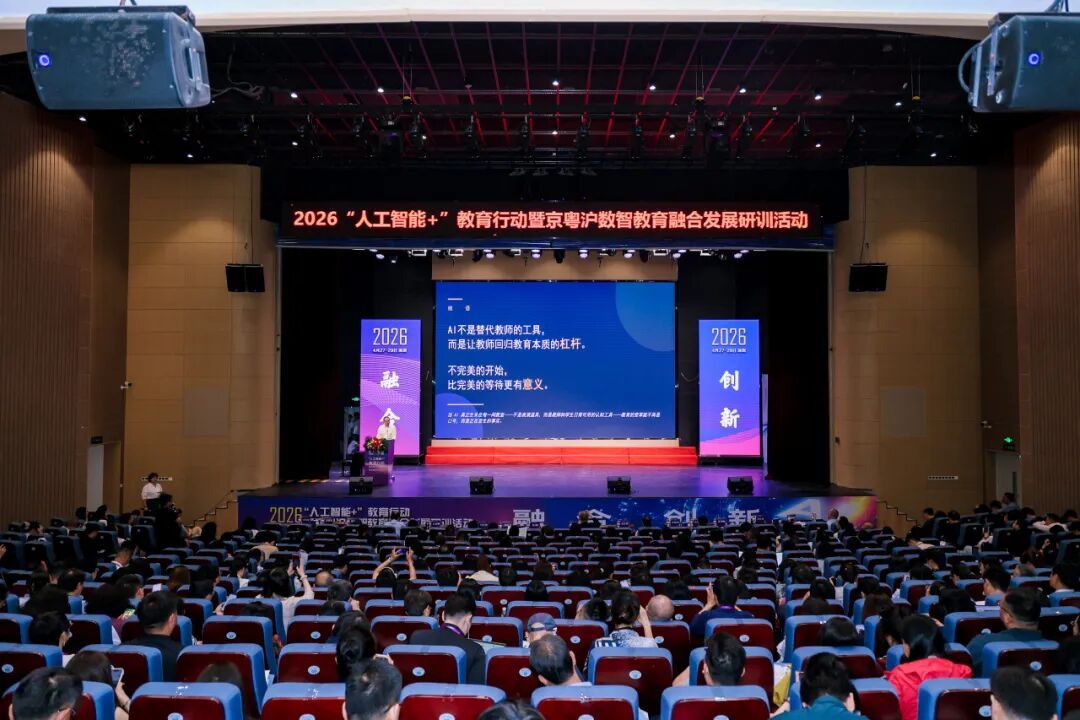
During the opening ceremony, Shenzhen Foreign Languages School (Group) officially launched the AI Seed Teacher Cultivation Project, with the first batch of 108 teachers receiving their appointment letters, marking a significant step in building a future teaching workforce. This event was not only a collision of cutting-edge ideas but also a vivid demonstration of practice, presenting a panoramic view of AI deeply integrated into education through demonstration classes, main forums, parallel sub-forums, and site visits.
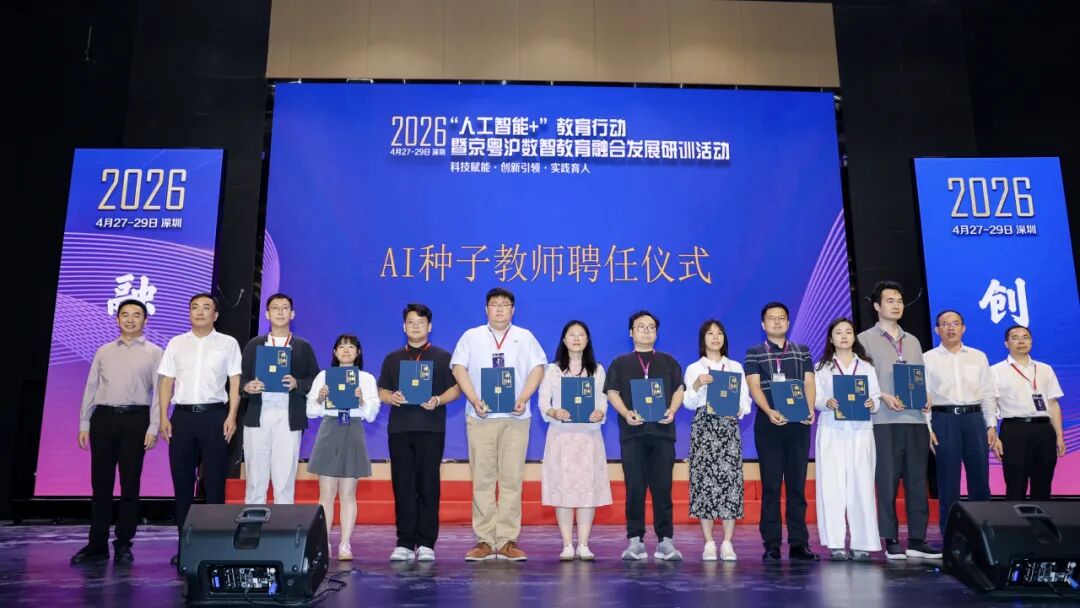
Voices of Leadership:
Sketching the National Strategy and Regional Blueprint for “AI+ Education”
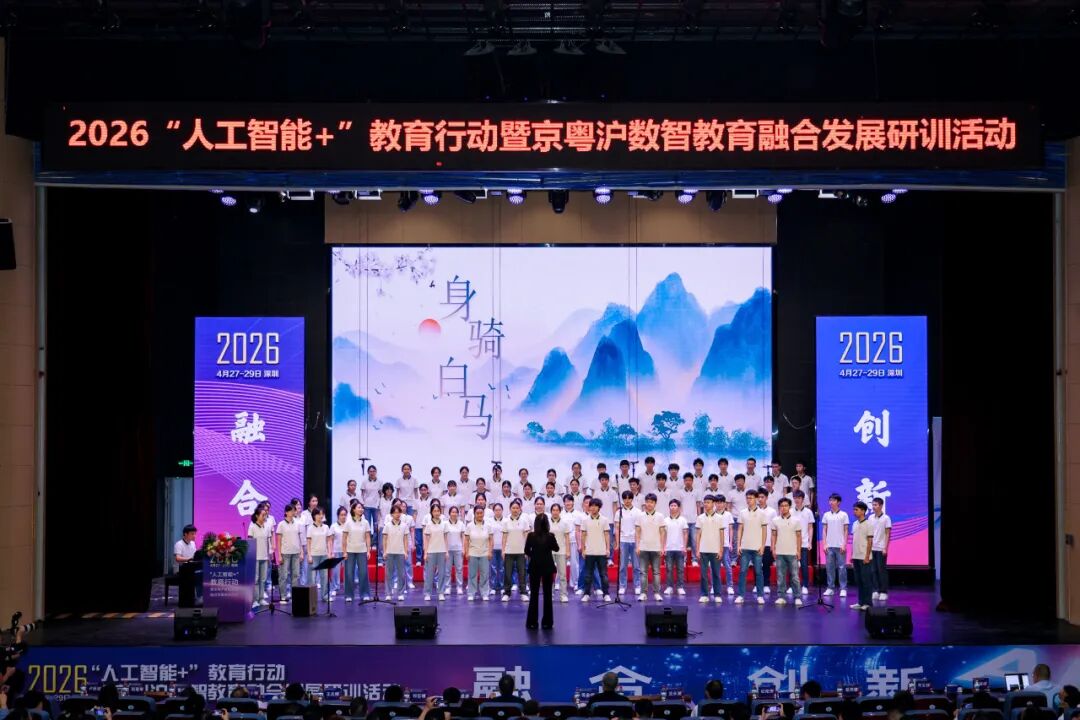
The training activity officially commenced with the melodious singing of the Shenzhen Foreign Languages School Choir.
Qiu Chengyu, Deputy Director of the Shenzhen Education Bureau, presented the “Shenzhen Plan” to the attendees.
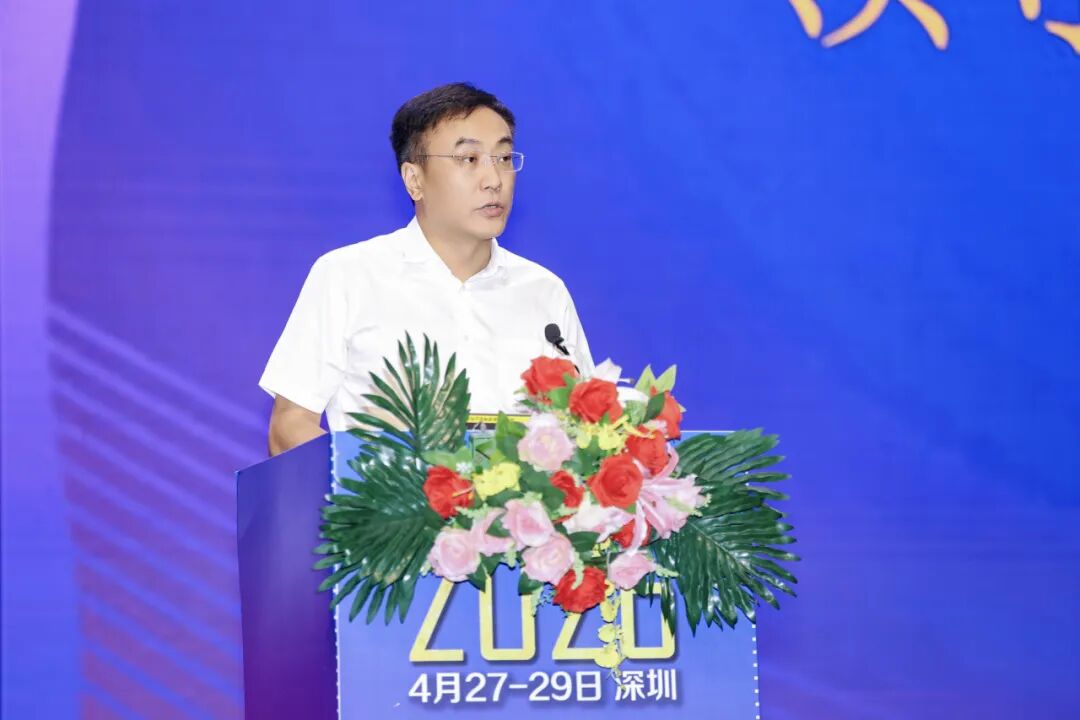
He stated that as a national-level information technology teaching experimental zone and a national smart education demonstration area, Shenzhen has taken the lead in issuing the “Shenzhen Plan for Promoting Artificial Intelligence Education in Primary and Secondary Schools” and the “Outline for Artificial Intelligence Curriculum in Compulsory Education,” establishing a spiral advancement training path from elementary school “perceptual experience” to high school “project application.” He emphasized that Shenzhen will continue to delve into the deep integration of AI and education, exploring a replicable “Shenzhen Path” for high-quality development in basic education in the new era.
He Shi Ming, Secretary of the Party Committee of Shenzhen Foreign Languages School (Group), shared the AI practice path as a benchmark school for basic education in Shenzhen.
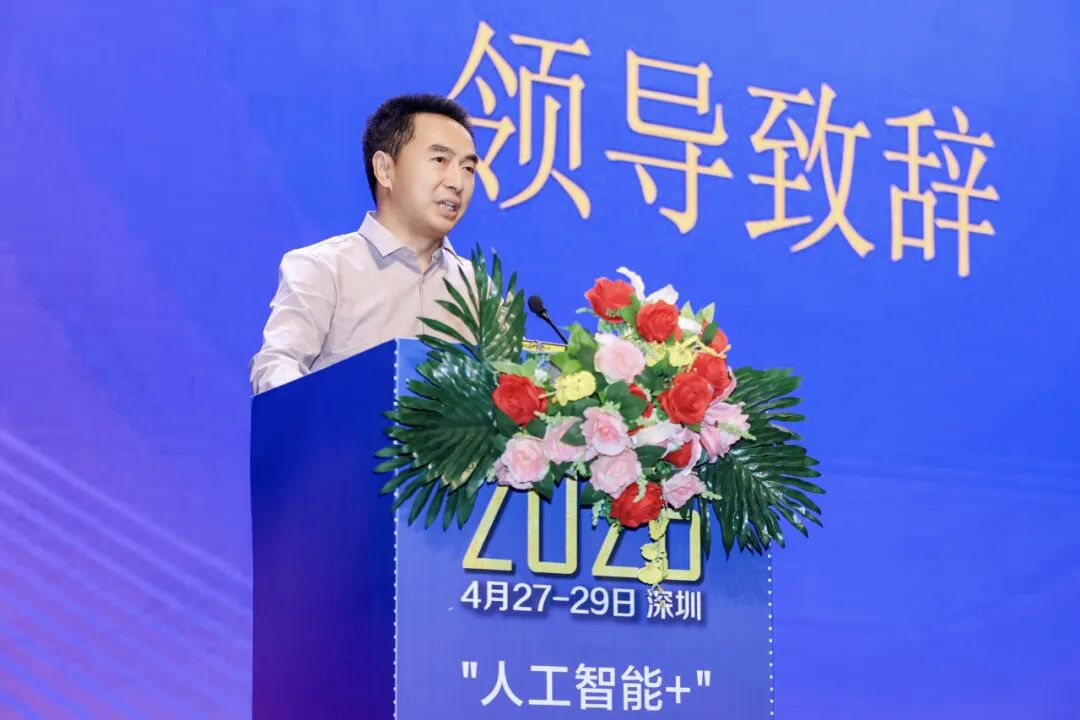
He pointed out that the group is comprehensively promoting AI implementation from three dimensions: “supporting teacher growth, serving student development, and empowering group management.” He emphasized that the school aims to equip students with tools to coexist with AI, preparing them to face future challenges through applications like the AI Sports Hall, smart playground, and “Rainbow AI” learning system.
Su Jin Zhu, editor-in-chief of the magazine “Information Technology Education in Primary and Secondary Schools,” mentioned:
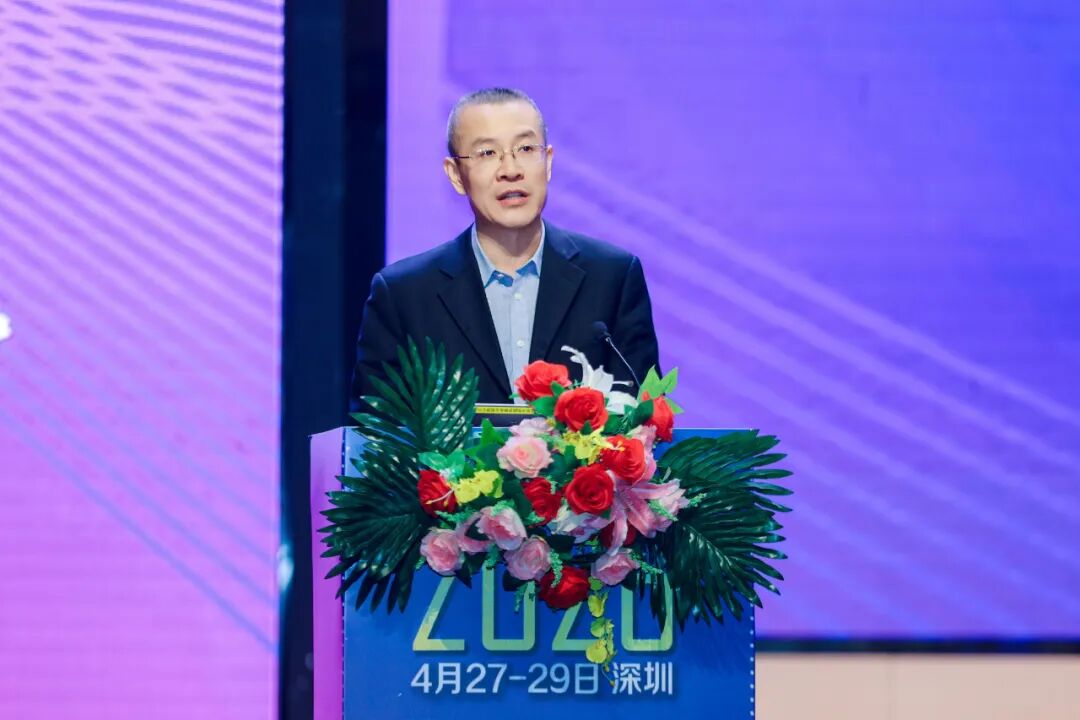
In light of the recent issuance of the “AI+ Education Action Plan” by five departments, this event is “timely and appropriate.”
He called for a commitment to the concept of a development community, urging that AI truly enters the classroom and grows within it, allowing every student to achieve their dreams in the intelligent era and contribute wisdom and strength to cultivate a new generation capable of shouldering the responsibilities of national rejuvenation.
Expert Insights:
AI Education is Preemptive Education, Must Cultivate Practical Innovation and Scientific Spirit with a Human-Centered Approach
During the main forum, several top experts and scholars provided profound reports from different perspectives, offering attendees a “cognitive map” of educational transformation in the AI era.
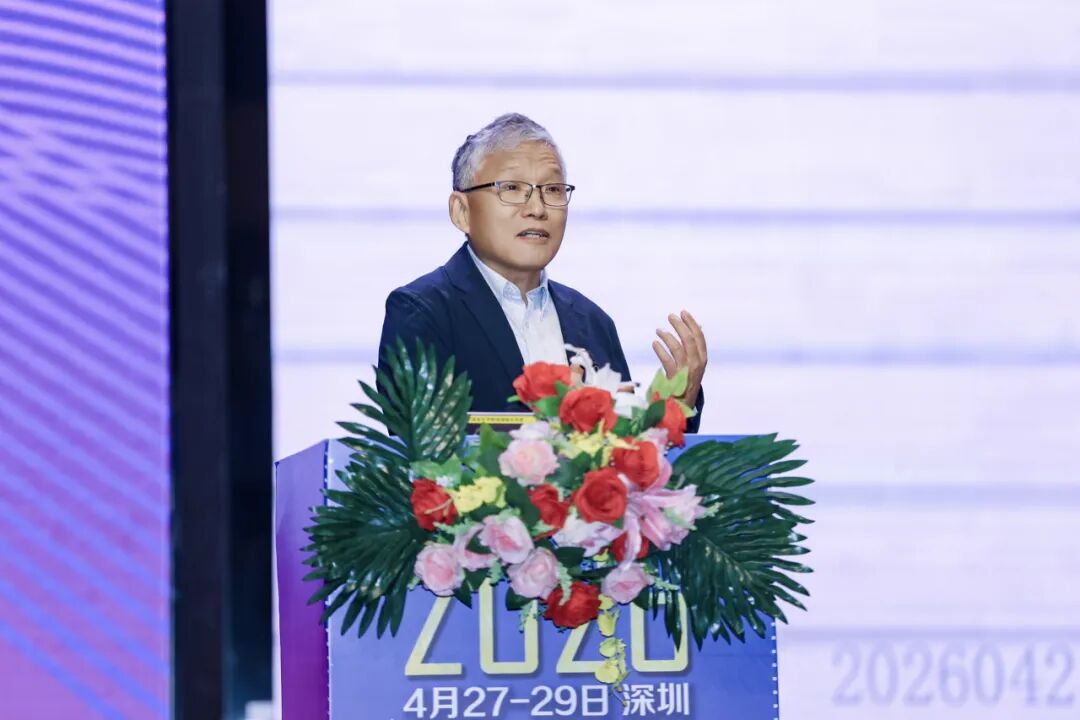
Xiong Zhang, head of the Ministry of Education’s compulsory education information technology curriculum standards development group and a professor at Beihang University, delivered a keynote report titled “Implementing the ‘AI+ Education’ Action Plan Across All Elements, Processes, and Scenarios.”
He pointed out that the national push for AI and education integration is a reworking of the “underlying logic and patterns of education.” He emphasized that implementing this action plan requires achieving “three fulls”: “full element integration” to build a multi-dimensional support ecosystem; “full process connectivity” to realize an educational ecosystem from student growth to the teaching process; and “full scenario coverage” to create a ubiquitous learning ecosystem that encompasses all disciplines and educational dimensions. Professor Xiong urged educators that “AI education is preemptive education, which must be human-centered, cultivating practical innovation and scientific spirit, and we must not return to the old path of exam-oriented education.”
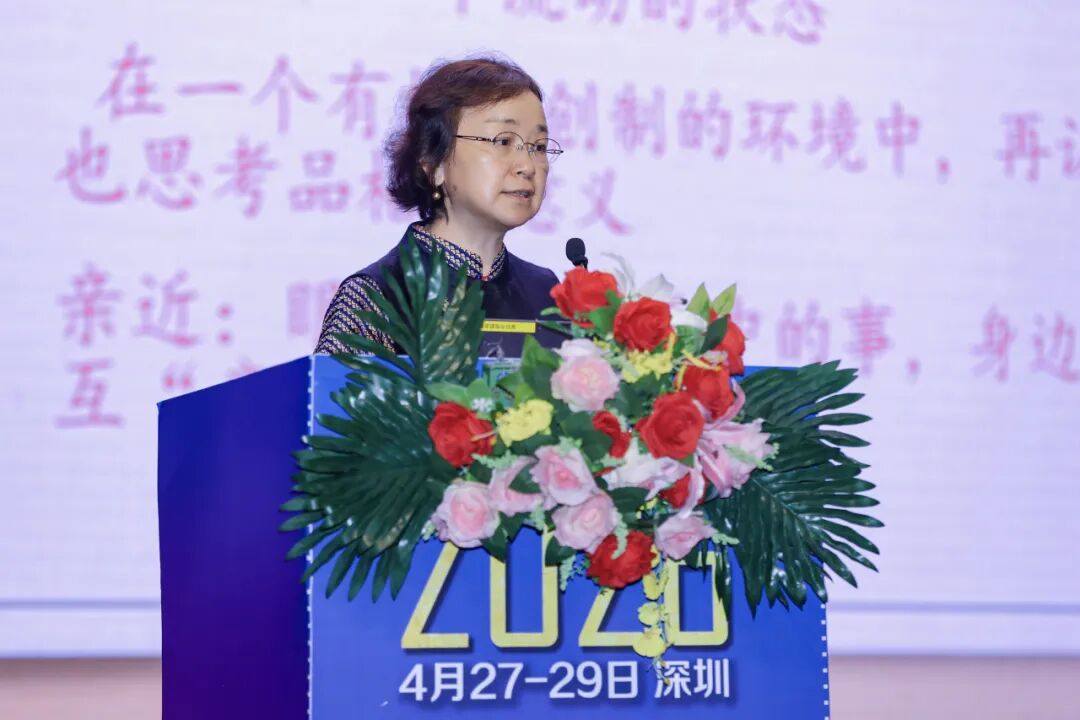
Liu Yunshan, a professor at Peking University, provided a profound “cold reflection” on the technological wave from sociological and philosophical perspectives. She warned that education must be cautious of the “second-hand time” dilemma brought about by “over-symbolization” and “taskification.” She mentioned that large language models are more likely to create cognitive illusions where “the semblance is more real than the real.” “The greatest poverty is not scarcity, but excess, especially information overload.”
Professor Liu emphasized that the core of education lies in ensuring that students “have something to do with their hands and energy in their feet,” using real practice to combat cognitive dullness, establishing a connection between the self and the world in the real world, allowing individuals to become “indices” above AI rather than products defined by AI.
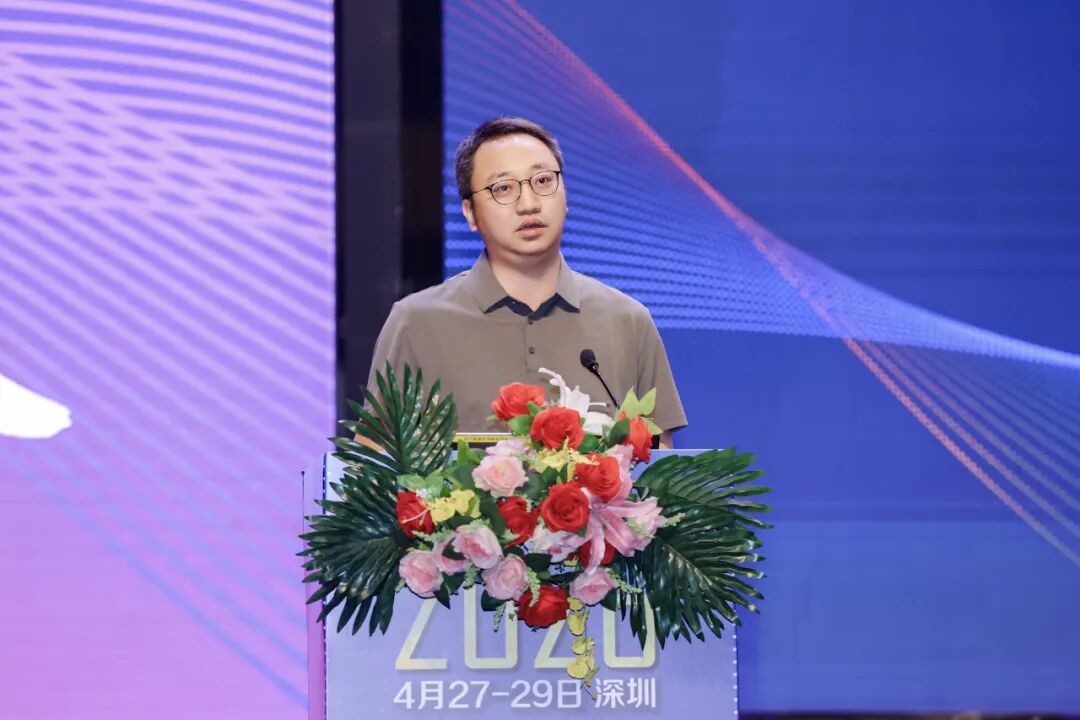
Du Xuanjie, director of the Teacher Development Center’s Technology Promotion and Training Department at South China Normal University, focused on practical operations, sharing key technologies for evidence-based classroom practices from a human-machine collaboration perspective.
He summarized the reliable paths for evidence-based classroom practices into four key technologies: first, real-time analysis technology based on edge computing to achieve “reporting immediately after class” while ensuring data privacy; second, efficient alignment technology for multi-modal data to “translate” classroom behavior into structured information readable by large models; third, cross-scenario accompanying data collection technology for student academic quality through smart paper and pencil for seamless data collection; and fourth, cloud-edge collaborative large model teaching feedback technology to support schools in customizing evaluation scales, allowing AI to deeply reason about teaching issues and provide improvement suggestions.
He emphasized: “Evidence-based practice does not mean machines handle everything, but rather a perfect combination of human evaluative wisdom and machine computational intelligence.”
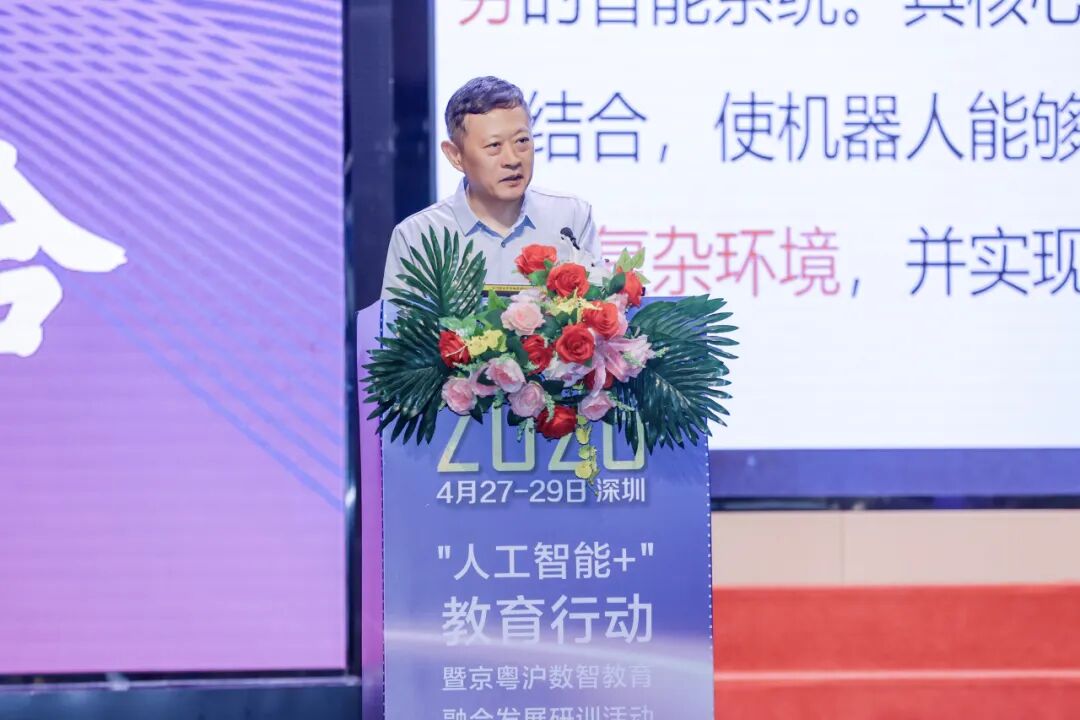
Professor Zhao Jianhua, director of the Future Education Research Center at Southern University of Science and Technology, noted that the core of AI-driven educational innovation lies in breaking the “impossible triangle” of scale, equity, and personalization. He proposed that a student-centered teaching paradigm must be fully implemented, shifting from “knowledge-based teaching” to “competency-based teaching,” vigorously promoting active learning, project-based learning, and community learning.
“In this era, whoever can cultivate talents suited for the AI age will win in future competition,” Professor Zhao urged educators to actively embrace change and utilize AI to shift education from “dividing the cake” to a collaborative model of “baking the cake together.”
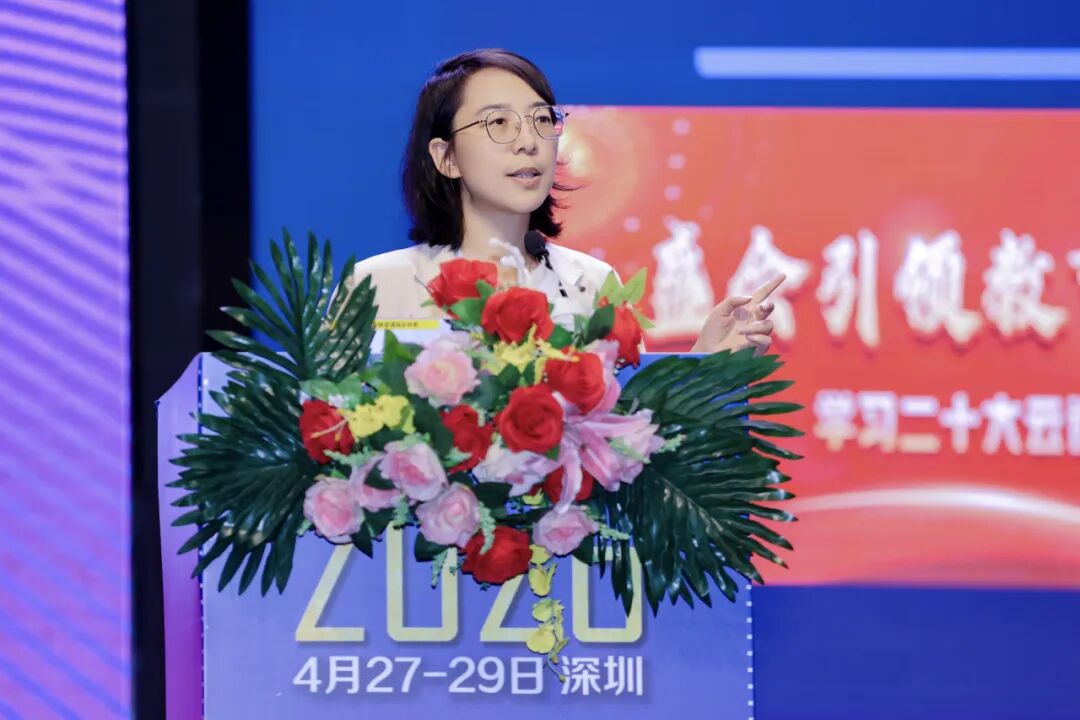
Zheng Yafeng, deputy director of the Education Technology Center at the Institute of Humanities and Social Sciences at Beijing Normal University, pointed out in his report on “AIGC Empowering Classroom Teaching Innovation and Deep Integration” that large-scale standardized education will accelerate towards large-scale personalized learning, with intelligent companions, smart teachers, and human-machine collaborative models driving this transformation.
Practical Deepening:
AI is Not a Tool to Replace Teachers
But a Lever to Bring Teachers Back to the Essence of Education
A major highlight of this event was Shenzhen Foreign Languages School serving as a practical venue, providing a vivid and replicable “Shenzhen model” for peers nationwide. Two AI-enabled demonstration classes were showcased, demonstrating how technology can truly “grow” in the classroom.
Math teacher Wu Jingxiang used AI to construct a “family tree” for summing sequences, guiding students to explore independently and achieving a leap from problem-solving training to thinking modeling. Geography teacher Lü Bin shared systematic insights on “Letting AI Grow in Every Classroom,” proposing the core goal of AI education at Shenzhen Foreign Languages School—to cultivate individuals who can coexist with AI and not be replaced by it.
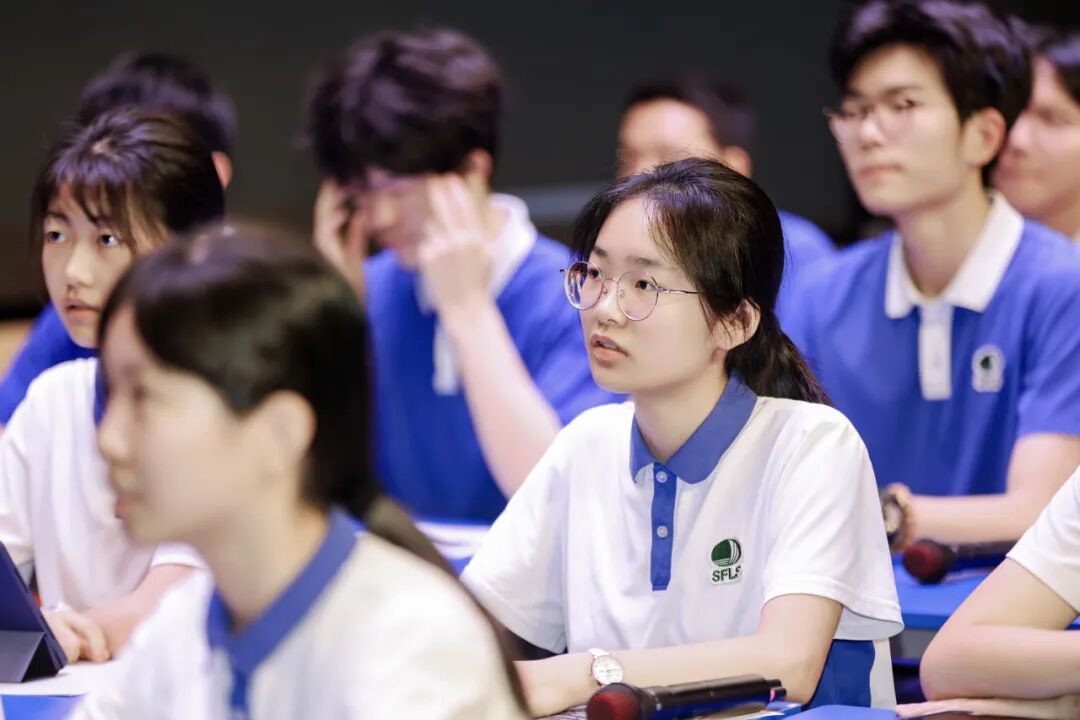
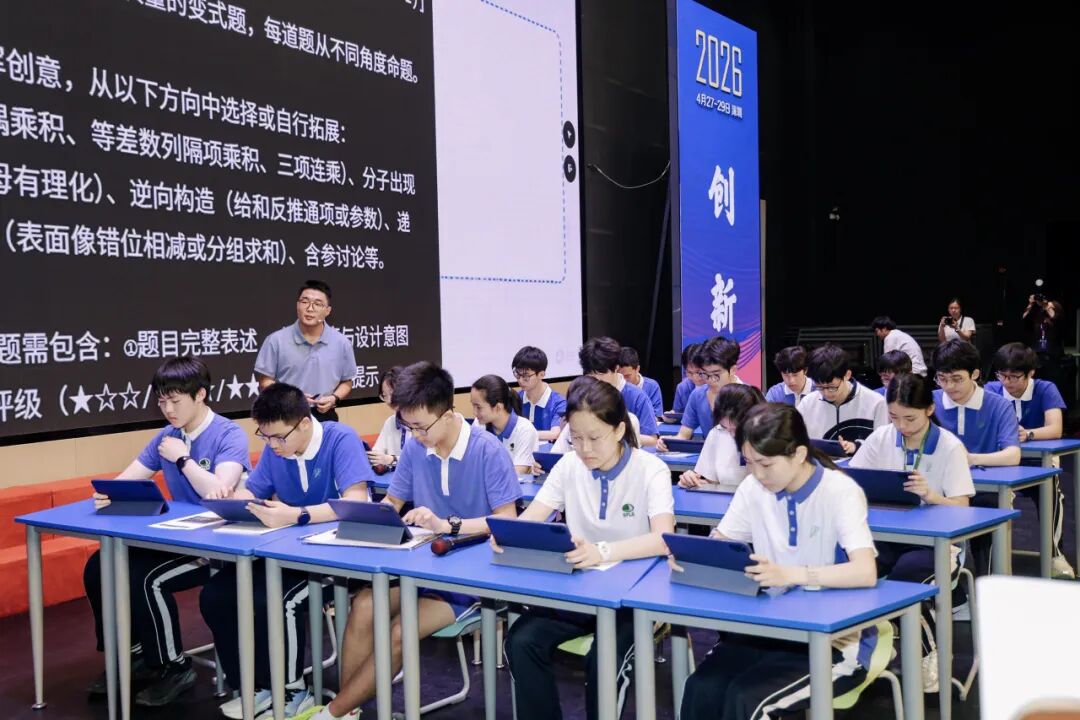
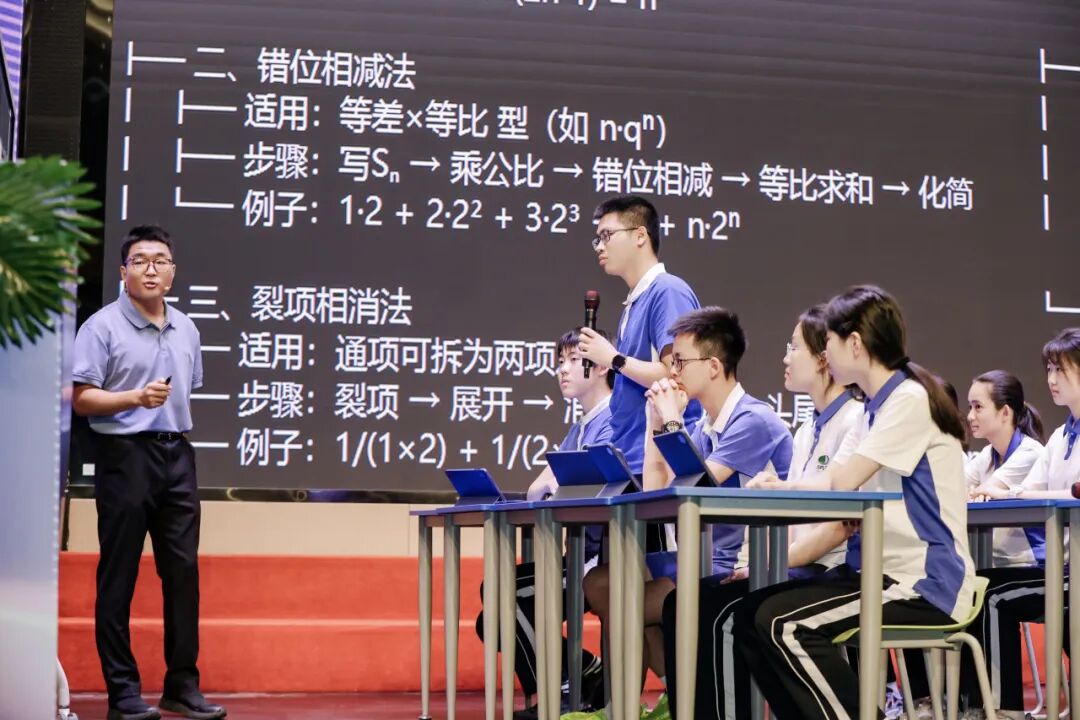
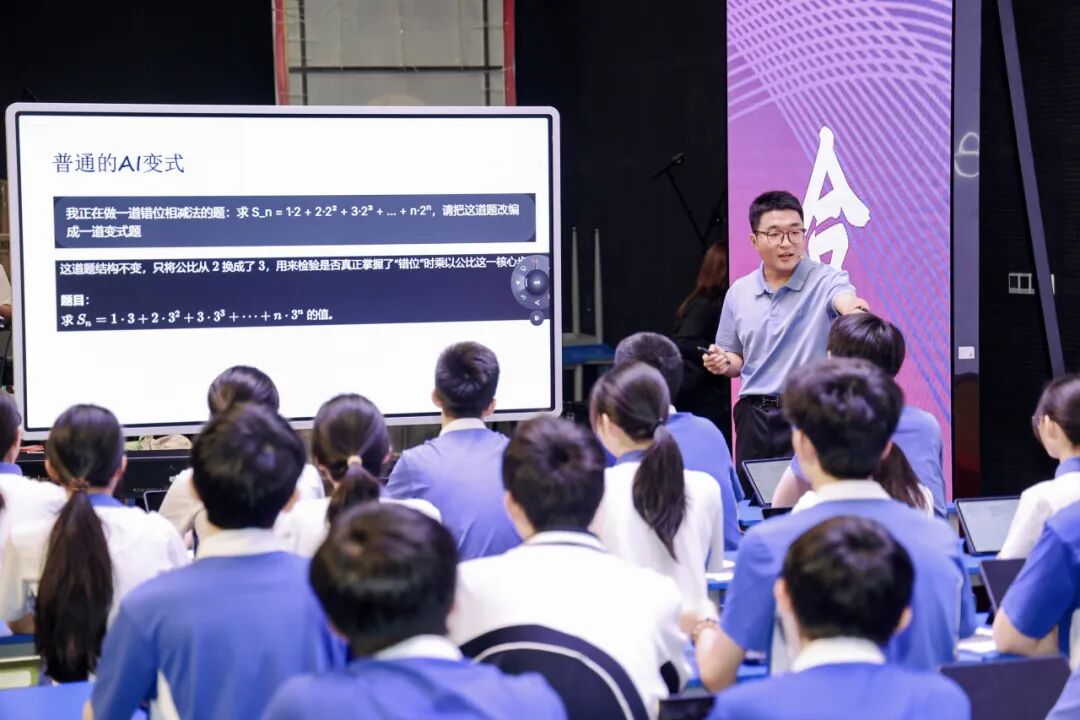
Teacher Lü shared several vivid cases: some teachers fed articles from renowned teachers’ public accounts to AI, allowing AI to learn their style and assist in deep research, achieving depths of research unattainable by individuals; the “Rainbow AI” learning system has covered all grades, allowing AI to shift from “doing for you” to “working within your cognitive framework.” “AI is not a tool to replace teachers, but a lever to bring teachers back to the essence of education,” Teacher Lü summarized, “The highest wisdom of teachers is knowing when not to use AI. Those moments of confusion and mistakes, untouched by AI, are precisely where true education occurs.”
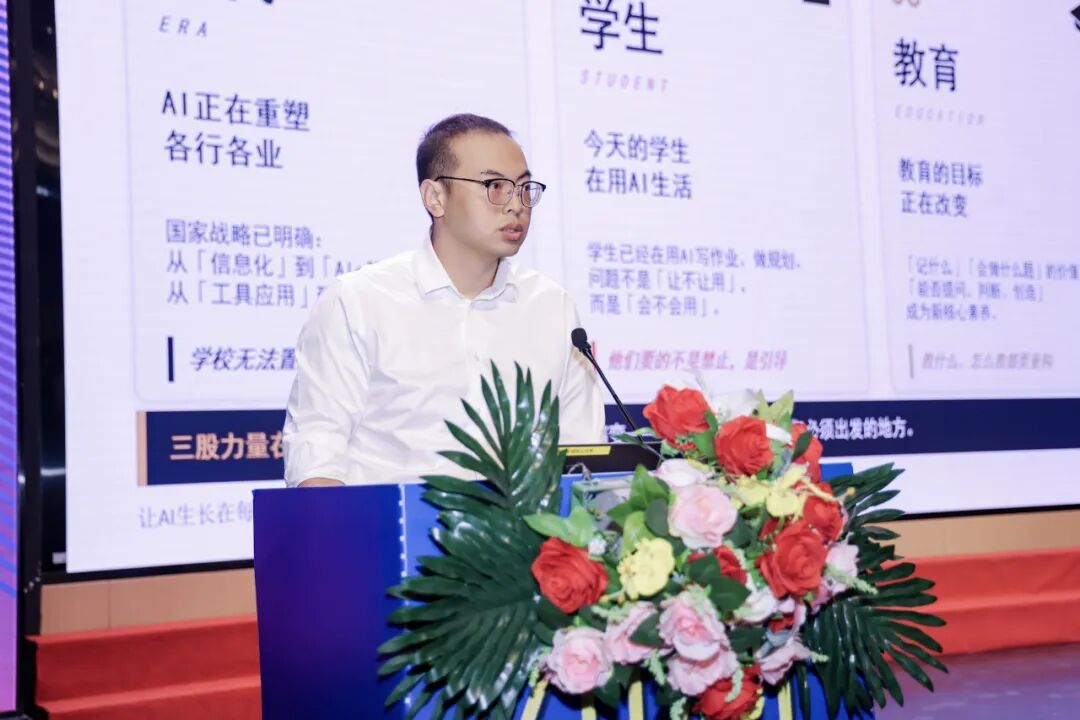
Additionally, representatives from several technology companies shared their cutting-edge achievements: Dr. Ding Lei, chief data scientist and chairman of Shenzhen Shenzhou Yunhai Intelligent Technology Co., introduced the “Rainbow AI Smart Teaching Platform,” while Cheng Weide, CEO of Shenzhen Siwei Te Education Technology Co., showcased how digital sensors and smart terminals are driving the transformation of large scientific experiment teaching. Cao Jincang, head of the research institute at Hangzhou Fanlong Yousi Education Technology Co., presented a comprehensive intelligent research system, providing practical support for AI-enabled education.
Collaborative Co-Creation:
Upholding the Original Intention of Education, Embracing Change with an Open and Cautious Innovative Attitude
On the afternoon of the 28th, five parallel sub-forums were held simultaneously, covering topics such as district-school practical experiences, student physical and mental health, deep subject integration, intelligent applications, and general education hot topics. On the morning of the 29th, attendees visited BGI Genomics to learn about the practical application of gene technology in real research scenarios, further broadening the vision of “Technology + Education.”
The successful hosting of the 2026 “AI+” Education Action not only showcased the forefront achievements of digital education exploration in the Greater Bay Area but also injected strong ideological momentum into the digital transformation of education in China through deep collaboration among Beijing, Guangdong, and Shanghai. As the conference conveyed, artificial intelligence is by no means an “alternative” to education but a historic opportunity to promote education’s return to its essence, moving towards personalization and intelligence. In today’s rapidly changing technological landscape, only by upholding the original intention of education and embracing change with an open, cautious, and innovative attitude can we truly open a new chapter in smart education and contribute to the construction of a strong educational nation.
Comments
Discussion is powered by Giscus (GitHub Discussions). Add
repo,repoID,category, andcategoryIDunder[params.comments.giscus]inhugo.tomlusing the values from the Giscus setup tool.